

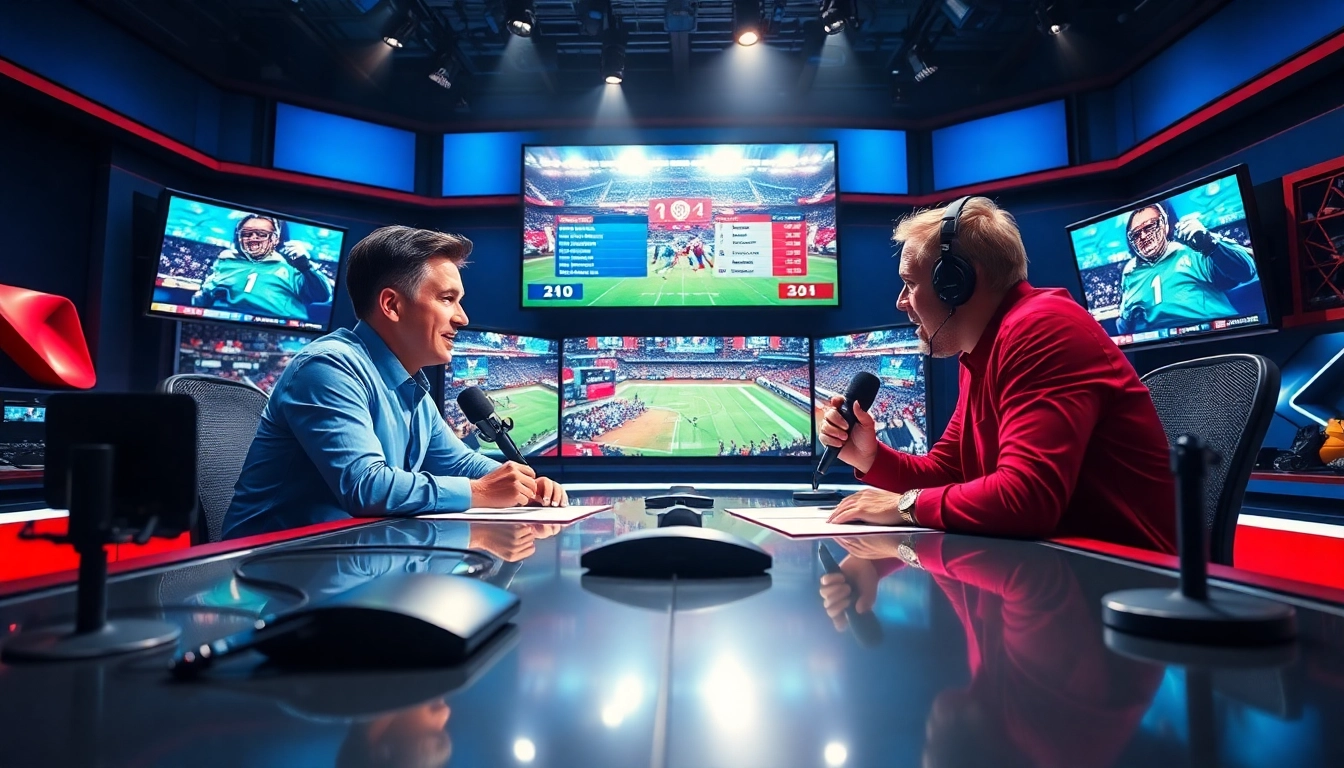
Understanding the Basics of Sports Broadcasting
Definition and Importance of Sports Broadcasting
Sports Broadcasting refers to the live transmission of sporting events via various media platforms including television, radio, and online streaming. This industry plays a pivotal role in the sporting ecosystem, serving as the primary conduit between teams, athletes, and fans. The importance of Sports Broadcasting lies not only in its ability to bring live sports into viewers’ homes but also in its contribution to building fandom, generating revenue for teams, and promoting sports at large. With the growing evolution in media consumption, understanding the nuances of Sports Broadcasting becomes essential for stakeholders across the sporting field.
Key Components of Sports Broadcasting
The key components of Sports Broadcasting encompass several integral elements that ensure a successful broadcast. Firstly, the production team is vital, consisting of directors, producers, and technical staff who work behind the scenes. Secondly, commentators and analysts provide context and insights, enhancing viewer engagement. Thirdly, camera crews capture various angles, providing rich visual experiences. Finally, distribution platforms—whether digital or traditional—act as the medium through which audiences access the content. Each of these components must work synergistically to deliver a high-quality viewing experience.
The Evolution of Sports Broadcasting
The evolution of Sports Broadcasting is a fascinating story of technological advancements and changing consumer preferences. Initially dominated by radio broadcasts, the television era revolutionized how fans consumed sports. The introduction of color broadcasts, instant replays, and multiple camera angles significantly enhanced the viewer experience. Today, the emergence of Sports Broadcasting through streaming platforms reflects a shift towards on-demand viewing, where fans can engage with content anytime and anywhere. This evolution continues as technology integrates augmented reality and immersive experiences into sports broadcasts.
Types of Sports Broadcasting Platforms
Traditional Media vs. Digital Media in Sports Broadcasting
Traditional media primarily refers to established channels including television and radio, while digital media encompasses various online platforms. Traditional media has long been revered for its wide reach and production quality, drawing large audiences during major events such as the Super Bowl or the Olympics. However, as younger demographics favor digital consumption, platforms like YouTube, social media, and dedicated sports channels on streaming services are experiencing exponential growth. Each platform presents unique advantages and challenges, pushing traditional broadcasters to adapt and innovate.
Streaming Services Role in Sports Broadcasting
Streaming services have transformed Sports Broadcasting by providing flexibility and accessibility to audiences. These platforms allow viewers to watch live games, catch up on highlights, and enjoy exclusive content. The rise of services like Amazon Prime and dedicated sports networks has forced traditional broadcasters to rethink their strategies, often leading to partnerships for content distribution. Moreover, streaming contributes to personalized viewing experiences, catering specifically to fan preferences and lifestyle, which can enhance audience loyalty.
Social Media and Interactive Sports Broadcasting
Social media plays a dual role in Sports Broadcasting by acting both as an additional platform for content and a means of fan engagement. Platforms like Twitter, Instagram, and TikTok allow teams and broadcasters to reach audiences directly with real-time updates, behind-the-scenes content, and interactive features such as polls and live chats. This two-way interaction fosters a deeper connection between fans and their favorite sports figures, ultimately enriching the overall sports experience and increasing viewership.
Strategies for Effective Sports Broadcasting
Preparing for a Live Sports Broadcast
Preparation is crucial for successful sports broadcasts. It involves extensive planning, including coordinating with teams for event schedules, gathering background information about athletes, and ensuring all technical equipment is functional. Conducting rehearsal runs to test camera angles, sound quality, and announcer timing helps minimize mistakes during live broadcasting. By fostering strong relationships with sports organizations and using pre-event promotions, broadcasters can also build anticipation and excitement among fans, leading to higher viewership.
Techniques to Improve Viewer Engagement
Engaging viewers during broadcasts can be achieved through various techniques. Using interactive tools such as live polls and Q&A segments allows audiences to feel more involved in the action. Highlight reels that emphasize key moments stimulate visual interest, while expert commentary can provide deeper insight into game strategies. Additionally, real-time statistics and player tracking technology enhance viewer knowledge and engagement, making the broadcast experience more immersive.
Utilizing Technology in Sports Broadcasting
Technology drives innovations in Sports Broadcasting. High-definition cameras, drones for aerial views, and VR technology offer unparalleled viewing experiences. Advanced graphic overlays can present real-time stats and metrics during games, allowing fans to digest information readily. Moreover, analytics tools enable broadcasters to evaluate viewer preferences and behaviors, helping in content tailoring for future broadcasts. Embracing new technology not only enhances production quality but also allows for unique storytelling opportunities in sports broadcasting.
Challenges in Sports Broadcasting
Handling Live Updates and Real-Time Data
One of the significant challenges broadcasters face is handling live updates and real-time data. The fast pace of live sports necessitates instant communication of player stats, injuries, and game changes. To combat delays, broadcasters must invest in robust data management systems that can process and distribute information quickly. Training on how to compile and relay information efficiently can also significantly enhance the effectiveness of the broadcast.
Addressing Audience Feedback in Sports Broadcasting
With the advent of social media, audience feedback has become more immediate and vocal. Sports broadcasters need to actively monitor platforms for viewer opinions and reactions, using this feedback to fine-tune future broadcasts. Implementing post-event surveys can provide structured insights, allowing broadcasters to understand which aspects resonated with viewers and which needed improvement. Engaging directly with feedback fosters community and enhances brand loyalty.
Navigating Legal and Regulatory Issues
Legal and regulatory issues present ongoing challenges in Sports Broadcasting. From copyright regulations to broadcasting rights, navigating these complexities is essential for compliance. Broadcasters need to be well-versed in the legal frameworks governing media usage and intelligent about securing rights to broadcast specific events. Consulting with legal experts and staying updated on regulations is critical in avoiding potential litigation or fines, which can impact operational viability.
Measuring Success in Sports Broadcasting
Key Performance Indicators for Sports Broadcasting
Measuring success in Sports Broadcasting involves several key performance indicators (KPIs). Viewer ratings, overall viewership numbers, social media engagement metrics, and advertising revenues are crucial metrics for assessing audience reach and profitability. Additionally, evaluating audience demographics allows broadcasters to tailor content specifically for target audiences, fostering greater engagement and loyalty.
Audience Retention and Growth Metrics
Audience retention is a critical aspect of successful sports broadcasting. Metrics such as average watch time, level of viewer engagement during live broadcasts, and percentage of returning viewers help in understanding audience behavior. Growth metrics such as new subscriber numbers for streaming services and social media follower increases indicate broader interest levels in the broadcast content, providing insights for future strategies.
Case Studies of Successful Sports Broadcasting Events
Analyzing successful Sports Broadcasting events can provide valuable lessons. Events with high engagement often feature innovative formats, such as reality-based storytelling or engaging pre-game and post-game discussions that resonate with fans. Studying these case examples helps identify common strategies that drive viewer interest and retention, which can be replicated in future broadcasts for sustained success.
FAQs about Sports Broadcasting
What is Sports Broadcasting?
Sports Broadcasting is the live transmission of sports events via television, radio, and online platforms, providing audiences with access to real-time games and highlights.
How has technology impacted Sports Broadcasting?
Technology has transformed Sports Broadcasting by enhancing production quality, enabling real-time statistics, and offering interactive viewer experiences through VR and online streaming.
What are the key components of a successful sports broadcast?
Successful sports broadcasts rely on a production team, commentators, camera crews, and effective distribution platforms to deliver high-quality viewing experiences.
How can audience engagement be improved during broadcasts?
Improving audience engagement can be achieved by using interactive tools, highlight reels, expert commentary, and real-time stats that keep viewers informed and involved.
What challenges do sports broadcasters face today?
Today, sports broadcasters face challenges like handling real-time data, addressing audience feedback, and navigating complex legal and regulatory issues related to broadcasting rights.