Understanding Vietnamese Culture: A Traveler's Guide
Vietnam is a vibrant country rich in history, diverse landscapes, and unique traditions that captivate travelers from around the globe. As you prepare for your journey, immersing yourself in Vietnamese culture will enhance your experience, making it all the more memorable. Understanding the customs, language, and traditions will not only foster connections with locals but also provide you with deeper insights into the beautiful tapestry that makes up this Southeast Asian nation. When exploring options, https://joeyvisavietnam.com/ provides comprehensive insights into traveling in Vietnam, making your journey seamless and enjoyable.
Key Traditions and Customs in Vietnam
One of the most fascinating aspects of Vietnamese culture is its array of traditions and customs that reflect the country’s rich history and cultural diversity. For instance, family is central to Vietnamese life, and this is evident through ceremonies and festivals. The Lunar New Year (Tết) is the most significant holiday, where families come together to honor their ancestors and usher in the new year with blessings of health and happiness.
Another important custom is the practice of giving and receiving gifts. In Vietnam, it is customary to give gifts during special occasions such as weddings, birthdays, and Tết, often presented in beautiful wrapping, reflecting thoughtfulness and care.
Language Barriers: Communicating with Locals
While Vietnamese is the official language, the country is home to many dialects that vary by region. Hanoi in the north, Hue in the central region, and Ho Chi Minh City in the south each have distinct accents and vocabulary. Learning a few basic phrases can significantly enhance your travel experience. Words such as "Xin chào" (Hello), "Cảm ơn" (Thank you), and "Tạm biệt" (Goodbye) can break the ice and show locals that you appreciate their culture.
Moreover, many Vietnamese people, especially in urban areas, understand English, particularly younger generations. However, in rural regions, English proficiency may be limited, so carrying a translation app or book can be beneficial in navigating language barriers.
Holidays and Festivals You Should Experience
Vietnam boasts numerous holidays and festivals that provide insight into the nation’s rich culture and traditions. Beyond Tết, the Mid-Autumn Festival (Tết Trung Thu) is another must-see celebration, symbolizing family reunion and gratitude. During this festival, children are often seen with colorful lanterns and enjoying mooncakes.
Another significant event is the Hung Kings' Festival, held in honor of the legendary founders of the nation. This day is marked with various cultural performances, traditional games, and offerings at the Hung Kings Temple in Phu Tho Province.
Top Destinations to Visit in Vietnam
Vietnam is a country of contrasts, where bustling cities coexist with tranquil landscapes. From the historic streets of Hanoi to the vibrant markets of Ho Chi Minh City, there is something for everyone. Whether you are a nature enthusiast or a history buff, Vietnam's diverse destinations promise unforgettable experiences.
Must-See Cities: From Hanoi to Ho Chi Minh City
Hanoi, the capital of Vietnam, is a blend of centuries-old architecture and a rich culture. The Old Quarter, with its narrow streets and traditional shops, is a must-visit for anyone wanting to soak up the local ambiance. Iconic landmarks such as Hoan Kiem Lake and the Ho Chi Minh Mausoleum offer glimpses into Vietnam's history.
On the other hand, Ho Chi Minh City (formerly Saigon) is a bustling metropolis that showcases the energetic spirit of modern Vietnam. The War Remnants Museum and Ben Thanh Market are essential stops for understanding the country's contemporary narrative and achieving an authentic feel of the city’s vibrancy.
Hidden Gems: Exploring Off-the-Beaten-Path Locations
While the popular cities are a draw, Vietnam is also home to many hidden gems worth exploring. Places like the ancient town of Hoi An, known for its beautifully preserved architecture and lantern-lit streets, offer a different perspective on Vietnamese history.
Additionally, the tranquil destination of Sapa, with its terraced rice fields and ethnic minority communities, provides an escape into nature and an opportunity to interact with the indigenous cultures of Vietnam.
Natural Wonders: Mountains, Beaches, and National Parks
Nature lovers will be enchanted by Vietnam’s diverse landscapes, from the rugged mountains in the north to stunning beaches in the south. Ha Long Bay, a UNESCO World Heritage Site, is famous for its emerald waters and thousands of limestone islands topped with rainforests. Taking a cruise here is a popular way to experience its breathtaking beauty.
In contrast, the beaches of Da Nang and Phu Quoc Island offer relaxation and adventure, with water sports and beautiful sandy shores. For a taste of Vietnam's biodiversity, visiting national parks like Phong Nha-Ke Bang, where you can explore vast cave systems and lush forests, is highly recommended.
Culinary Delights: What to Eat in Vietnam
The culinary scene in Vietnam is as rich as its culture, combining fresh ingredients and distinctive flavors to create delicious dishes. From the famous pho to lesser-known local specialties, the food will undoubtedly be one of your highlights while traveling.
Understanding Traditional Vietnamese Cuisine
Traditional Vietnamese cuisine is characterized by its use of fresh herbs, vegetables, and meats, resulting in colorful and healthy dishes. Each region has its specialties, with northern cuisine being known for its milder flavors compared to the spiciness of southern dishes.
Popular dishes include pho (noodle soup), banh mi (Vietnamese sandwich), and spring rolls. Don't miss the chance to try bun cha, a grilled pork dish served with rice noodles and herbs, especially famous in Hanoi.
Street Food: Where to Find the Best Options
The street food scene in Vietnam is a culinary adventure in itself. Stalls and vendors line the streets, offering an array of delicious options at affordable prices. Some recommended dishes include banh xeo (Vietnamese pancakes), and hu tieu (noodle soup), which can be found in every city.
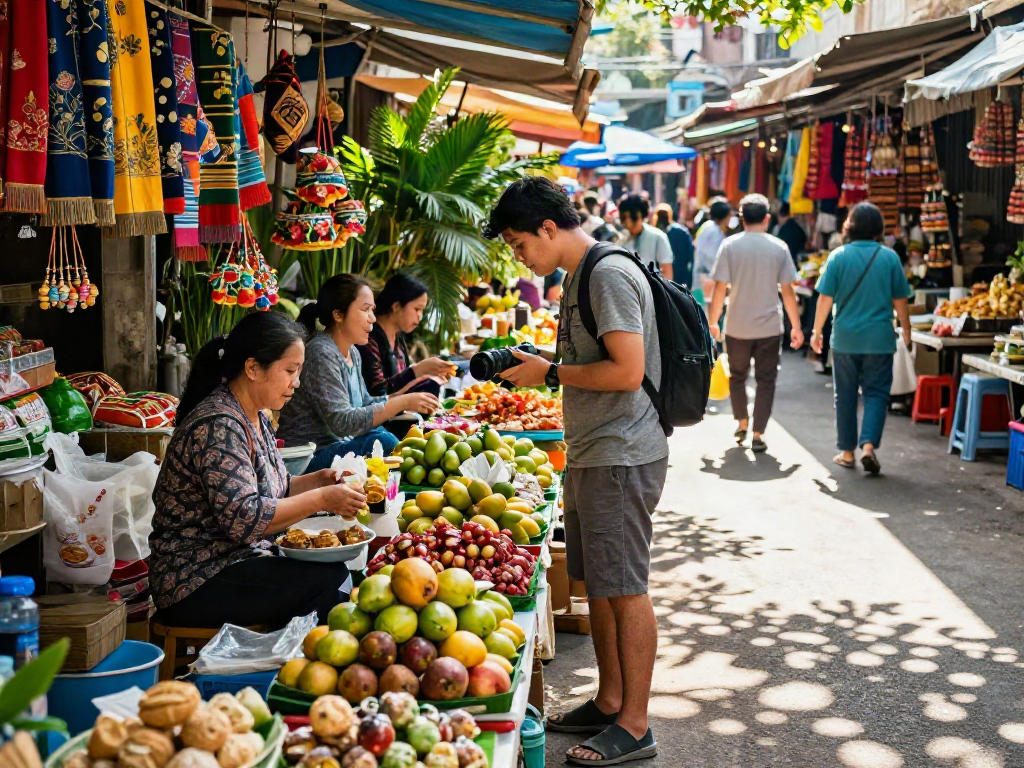
Be sure to explore local markets such as Ben Thanh Market in Ho Chi Minh City or the night market in Hoi An, where you can sample authentic street foods and enjoy a lively atmosphere.
Vegetarian and Vegan Options for Travelers
With a growing awareness of vegetarianism and veganism, more restaurants in Vietnam now cater to these dietary preferences. Traditional dishes can often be made vegetarian, using tofu or vegetables instead of meat. Dishes like cao lau and vegetarian pho are widely available.
In major cities, you will find specialized vegetarian and vegan restaurants, offering creative and delicious meals. When dining out, don’t hesitate to ask for vegetarian options, as local chefs may have delightful surprises in store for you.
Travel Tips for a Seamless Experience
To fully enjoy your trip to Vietnam, being aware of local customs and practical travel tips is essential. Preparation will help ensure a smooth and enjoyable experience throughout your journey.
Best Times to Visit Vietnam for Weather and Events
The best time to visit Vietnam largely depends on which regions you plan to explore. Northern Vietnam experiences four distinct seasons, while the south enjoys a tropical climate year-round. Generally, the months from October to April are suitable for traveling due to milder temperatures and less rainfall.
Additionally, planning your visit around local holidays and festivals can enhance your experience, allowing you to witness traditional celebrations up close.
Transportation Options: Getting Around the Country
Vietnam offers various transportation options to help travelers navigate its scenic landscapes. Domestic flights are available for covering large distances, especially between major cities. Meanwhile, trains and buses cater to those who prefer overland travel, offering beautiful views along the way.
In cities, taxis and rideshare services are widely used. Renting a motorbike can be an adventurous and fun way to explore the countryside and city streets, but ensure you have a valid license and are prepared for heavy traffic.
Staying Safe and Healthy While Traveling
While Vietnam is generally a safe destination, it's essential to take standard precautions. Avoid displaying valuables and be aware of your surroundings, especially in crowded areas. Drink bottled water, practice good hygiene, and consider travel insurance for peace of mind.
It's also advisable to consult with a healthcare provider regarding vaccinations before traveling, ensuring that you are equipped for a healthy journey.
Preparing for Your Trip: What You Need to Know
Preparation is key to a successful trip to Vietnam. Gathering the necessary documentation and packing wisely can help you enjoy your adventure without unnecessary stress.
Visa Requirements and Travel Documentation
Before traveling, check the visa requirements for your nationality. Many travelers can obtain an e-visa or visa on arrival, which simplifies the entry process. Ensure your passport is valid for at least six months beyond your intended departure date, as this is a common requirement for entry.
Budgeting for Your Vietnamese Adventure
Vietnam is known for being budget-friendly, offering a wide range of accommodation options, from hostels to luxury hotels. When planning your budget, consider costs for accommodation, meals, transportation, and activities. Street food is affordable and delicious, often costing less than a couple of dollars, while fine dining experiences are also available for those wishing to indulge.
Essential Packing Tips for Travelers
Packing appropriately is vital for a comfortable trip. Lightweight clothing is recommended due to the warm climate, but carry layers if you plan to visit the northern regions or mountainous areas. Essentials include a rain jacket, comfortable walking shoes, and a power bank for your devices.
Additionally, having a universal adapter can be useful as Vietnam uses several types of electrical sockets.
What are the Must-Visit Attractions in Vietnam?
When traveling through Vietnam, do not miss highlighting attractions like the ancient ruins of My Son, the picturesque town of Hoi An, and the majestic temples of Angkor Wat. Each site offers a glimpse into Vietnam's rich history and cultural heritage.
How Can I Experience Local Culture in Vietnam?
To truly immerse yourself in Vietnamese culture, consider participating in a cooking class, joining a homestay program, or attending traditional performances. Visiting local markets and interacting with artisans can also provide a deeper understanding of Vietnam's traditions.
What Should I Know Before Traveling to Vietnam?
It's essential to familiarize yourself with local customs and etiquette, such as dress codes when visiting temples. Learning a few Vietnamese phrases and understanding currency exchange can also help ease during your travels.
What are the Best Local Dishes to Try in Vietnam?
Be sure to try regional specialties that showcase the diversity of Vietnamese cuisine. Alongside classics like pho and banh mi, don't miss out on dishes such as bun bo Hue (spicy beef noodle soup) and cha ca (grilled fish with dill) for a comprehensive culinary experience.
How Do I Stay Safe While Traveling in Vietnam?
Staying safe while traveling in Vietnam involves being mindful of your surroundings, avoiding isolated areas at night, and securing your belongings. Keeping emergency contacts handy and knowing basic phrases can enhance your safety while exploring.